Once again, for yet another consecutive year, the memorial service at Sandarmokh, where thousands of innocent people were executed during Stalin’s Great Terror, was disrupted.
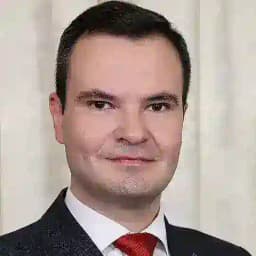
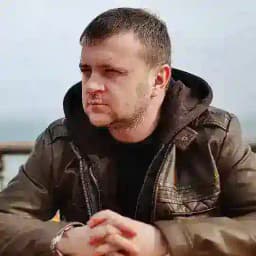
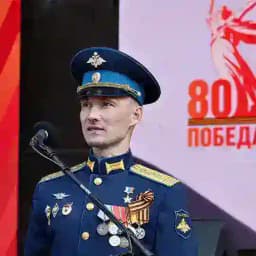
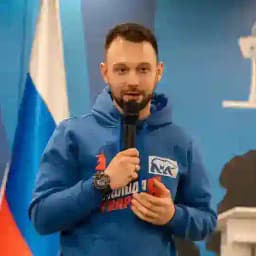
https://t.me/Karjalan_Kansallinen_LiikeRussian unofficial authorities descended upon the site, insulting, surveilling, and threatening those who came simply to remember. Their crime? Commemorating the victims of political repression in the quiet forest where their ancestors were murdered.
Sandarmokh is not just a site in Karelia - it is a symbol of pain, resistance, and historical truth. For some of us, it’s where our people were shot for daring to think differently. For others, it's an inconvenient reminder of a brutal past they’d rather bury. But no amount of intimidation can change one unshakable fact: history cannot be erased, only remembered… or repeated.
The Kremlin-backed presence at Sandarmokh blatantly violates the Right to Truth, a principle enshrined in UN Human Rights Council Resolution 9/11, reaffirmed by the Updated Principles to Combat Impunity, and reinforced by UNESCO’s mandate to safeguard memory and cultural heritage. These principles guarantee that societies have the right to access historical truth and ensure that past atrocities are not forgotten or distorted.
This is precisely why such violations must not remain unspoken. The treatment of historical memorial days like Sandarmokh must be discussed on an international level, as they are not just national wounds, they are reflections of global human rights standards under threat. Silencing remembrance emboldens authoritarian narratives, weakens democratic values, and undermines international frameworks built to protect memory, justice, and accountability.
When remembering the dead becomes a punishable act, we are no longer simply facing censorship - we are staring down the slow erasure of truth itself.